A lot of people believe that kennel training your pet is simply cruel. In reality when done with patience and consistency, the results are quite the opposite. Think of the kennels as your pets’ personal room. Just like us, they benefit from having their own spaces.
Why Kennel Train Your Pet?
- Some pets struggle to adjust to new environments. Their kennels can be used as their safe space. For example, for vet visits, pets being in their crates helps reduce anxiety and stress.
- Pets that suffer from separation anxiety also benefit from kennel training as it is a familiar space.
- Being a den-like environment that helps dogs feel more calm and safe.
- When having people over, having your pet in a kennel creates a safe environment for both parties.
- If you’re a travel person, kennel training your pets can help them get used to small spaces.
Desensitizing Your Pet For Kennel Training
- Create positive associations with the kennel. If your pet has had past trauma associated with a kennel or just doesn’t want to go in, you have to create positive attachments like sprinkling in treats or placing their favorite toy in the kennel.
- Let them explore the kennel. As soon as your pet gets in the kennel, don’t just shut the gate and hope they’ll get used to it. They have to feel that they’re not trapped in there and can leave whenever they want.
- Have short time limits for how long they are in the crate and then work your way up to longer hours.
- Don’t rush to crate train if you just got your pet. Let them get used to their new environment. Start crate training at least 2-3 weeks after they’re situated so they’re less likely to be agitated when you start kennel training.
- The room you put the kennel in is also important. Make sure the crate is not in an abandoned area but rather places where your pet can still see their family and feel at home or else they’ll associate kennel with loneliness.
Types Of Kennels To Get
There are multiple crates you can choose from and it’s important to get the one that meets your pets needs. The main kinds of crates are
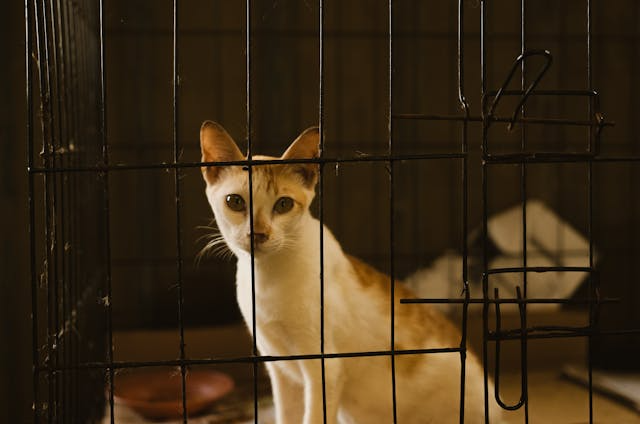
- Metal crates: This is a popular type of kennel choice. It’s durable, easy to keep clean, and provides good ventilation. Some cons worth noting are that metal crates can be cold during winter and could be potentially noisy depending on how active your pet gets in their kennel. They might also pose entrapment risks to claws, collars, ears, etc if the metal components are not very stable and move around a fair bit.
- Plastic crates: Plastic kennels are a good option if you’re a renter that loves to move around as they’re lightweight and easy to set up. Also, the ones with clip fasteners and a metal grate door are the only airline approved of crates. The cons of plastic kennels are that they have poor insulation and can wear down over time especially in extreme temperatures.
- Wooden crates: Wooden kennels can be both inside or outside (for shelter from hot sun, for example). Wood is a great natural insulation material. They can blend well into home decor and can withstand wear and tear. Cons of wooden crates are that they’re not as mobile as plastic or metal crates and would need regular maintenance to prevent rot or splinters. Note: for most pets, outdoor living is not recommended nor even permitted. Please discuss your pet’s needs with a veterinarian if considering crating outside.
- Travel crates: Besides the kennels you have at home, it’s also important to have a crate to transport your pets especially if you’re someone that travels a lot or owns a car. Crates in the cars are basically seatbelts for your pets. Helpful to secure your pets as you drive while also providing a distraction-free environment. Travel crates for vet clinics are also great because your pet already associates their crate with safety and security.
How Much Do Kennels Cost?
Crate prices are usually dependent on the size and material.
- Travel crates cost between $40 to $100 and usually come in plastic material.
- Regular crates for the home cost between $100 to $200.
Second Hand Kennels?
It’s important to get your crates from trustworthy places like Canadian Tire, PetSmart, Walmart and Amazon. Second hand shopping is also a great idea if you’re looking for more affordable options. In order to make sure you’re getting the best kennel for your pet, here are some things to look out for when shopping second hand:
- Inspect the kennel for any structural problems like holes or inadequate ventilation.
- Make sure it has a secure and functioning latch, screws etc.
- Make sure the kennel is the right size for your pet so that they can move around comfortably.
- Check for anything sticking out from wear and tear or rust.
- Thoroughly disinfect with pet-safe disinfectant before making it your pet’s room.