The holidays are all about family, including your pets. However, as you fill your home with festive cheer, several hazards can bring harm to your pet during this usually happy time. By taking precautions and leaving some dangers at the door, both pets and humans can have a safe and happy holiday season.
Toxins
While beautiful decorations, several classic holiday plants are toxic to pets and small children. The iconic holly, mistletoe, and amaryllis are all poisonous and can result in a stressful visit to the vet. Poinsettia is less toxic, but will cause serious stomach upset for your pets. Lilies, which are common in floral bouquets, are also extremely poisonous to cats. While dogs and cats don’t usually have much interest in plants, when they are decorated with tulle and ornaments, suddenly these toxic decorations look more like an interesting toy.

To avoid serious harm, sturdy artificial plants should be used in houses with curious pets. If live plants are present, they should be kept out of reach of paws and inspected daily for nibble marks. Symptoms such as stomach upset, seizures, and lethargy are signs of a possible poisoning and should be monitored carefully.
Physical Hazards
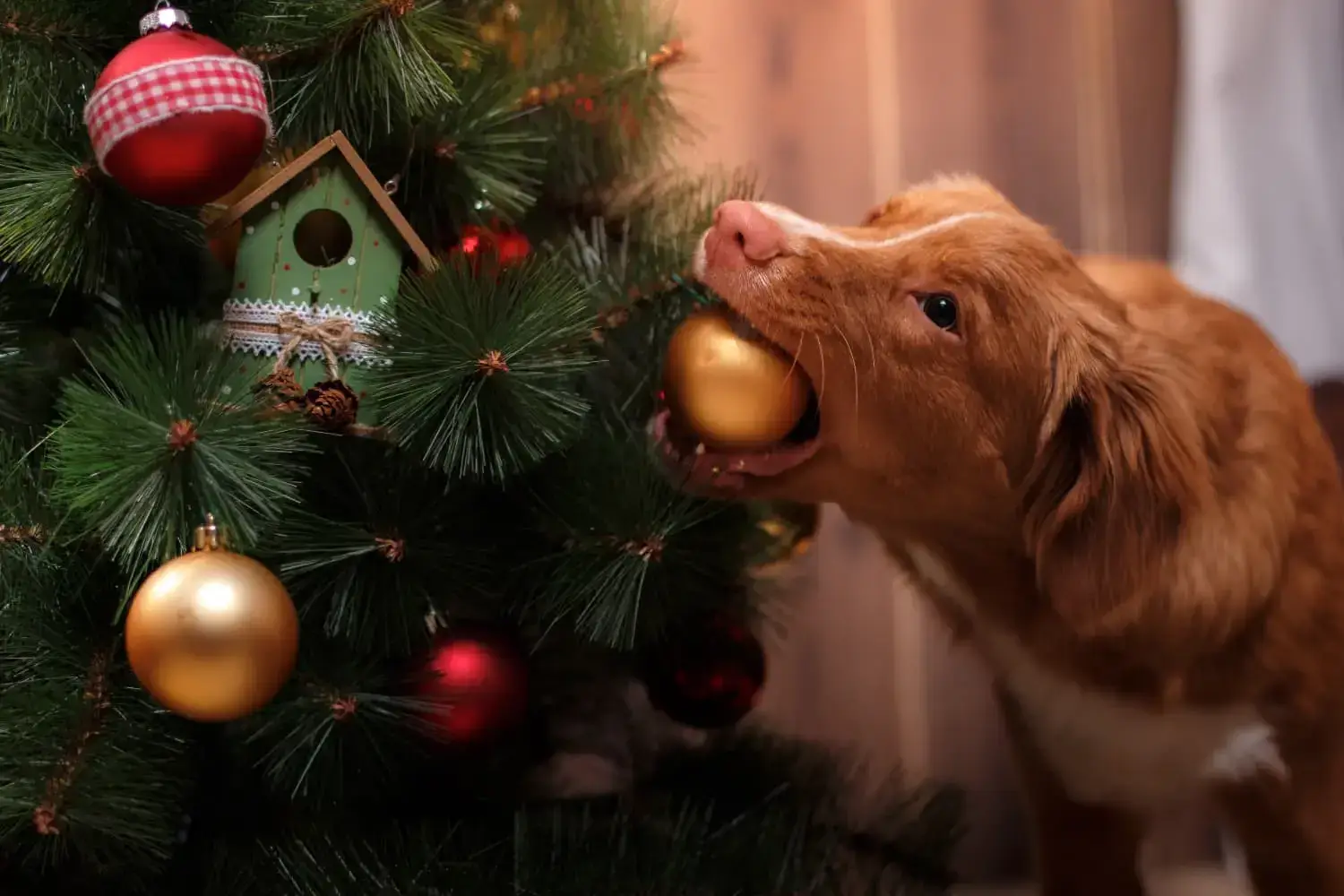
While pet Christmas tree “fails” are fun to watch on social media, when it happens to you, it can be both stressful and dangerous for everyone involved. A falling tree full of ornaments can be quite heavy and can injure or trap animals on its way down. If you have pets that are attracted to Christmas trees, there are several ways you can lower the chances it will topple over. For added support, use a secure tree base and a fishing line to create a tether to the wall or ceiling; this will greatly reduce the chance of falls. Keeping ornaments higher up and avoiding the use of edible decorations (like popcorn strings or cookie ornaments) will keep curious pets from thinking the tree is a toy holder just for the
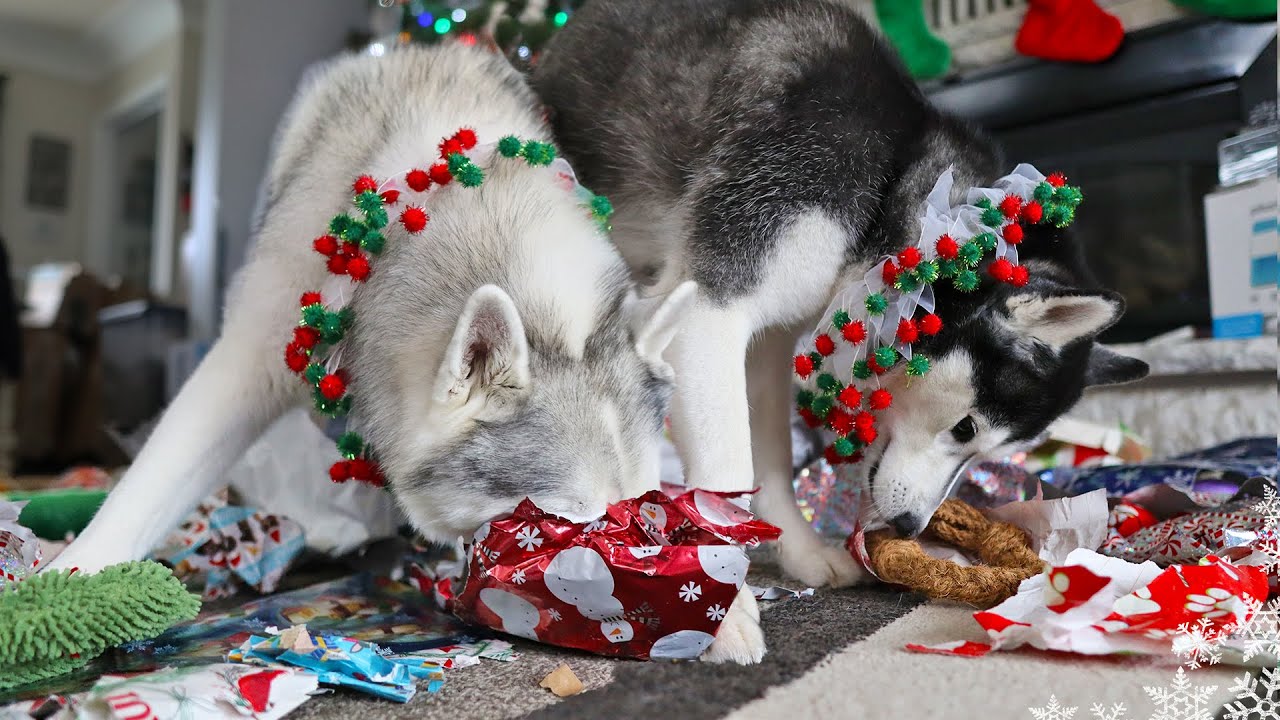
Other common items during the holidays, such as artificial garlands, present bows, and plastic packaging, can become enticing choking hazards, especially for puppies and kittens. To avoid accidents, use the same thought process you would use when baby-proofing a house; if you are not comfortable with a toddler chewing on it, keep it out of reach. When unwrapping gifts, throw away scraps promptly or have a designated trash organizer to keep hazards from becoming risky toys, especially thin strings and ribbons. If you notice decorations have been moved or are missing, readjust their placement to work for your pet’s needs and activity level.
Food and treats
With the colder weather, busy planning, and holiday treats around every corner, many people use this time as an opportunity to let loose and indulge. And they should! But when that same indulgence is extended to our pets, it can result in an upset stomach, weight gain, or worse, a potential visit to the vet.
Common pet toxins such as chocolate, raisins (and grapes), onions, and xylitol are often present in holiday treats. While your pet might be eyeing that cookie in your hand very sweetly, a good rule of thumb is to avoid giving processed human food to your pets unless you consult a vet first.

While several unprocessed, homemade foods are safe to give to your pets, moderation and safety still apply. Bones within cooked meat are very dangerous for your pets to consume due to their potential to splinter. Even the meat itself can cause upset if it was overly seasoned, salted, or basted in butter. High-fat foods, such as gravy, whipped cream, and some peanut butters, are definitely popular treats, but too much can result in digestion issues short-term and weight or heart issues long-term. For a guide on how to include your pet safely in your holiday dinner, check out another one of our articles!
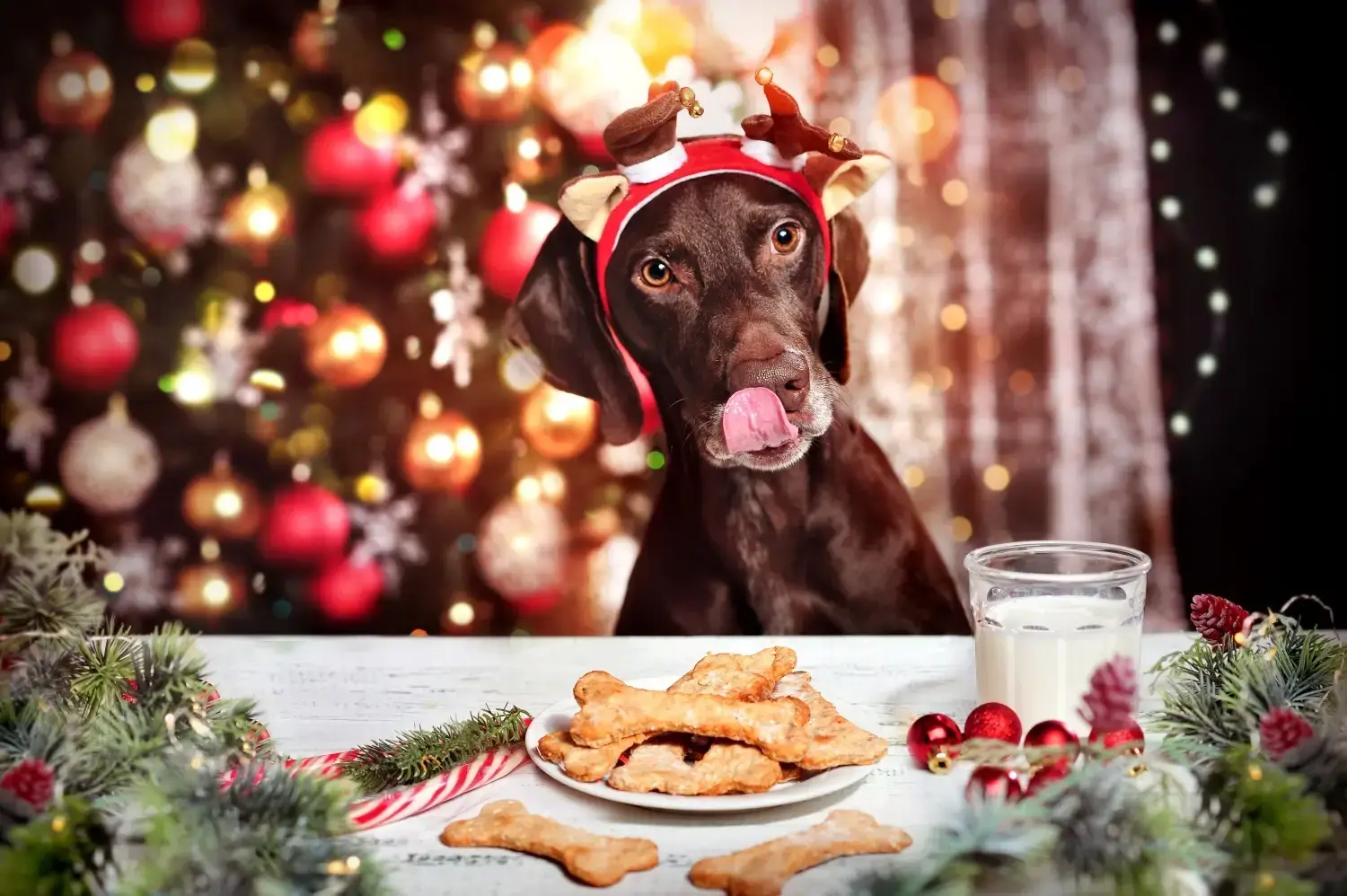
Even holiday-specific pet treats should be inspected carefully. While safe for pets, many of the large frosted treats on the market are higher in calories than what your pet is used to. Review serving sizes and compare them to your individual pet’s needs. Dogs, especially, come in many different sizes and activity levels, and their treats should be adjusted accordingly.
Over all…
Pet safety does not need to add to your holiday stress if you remember the basics: keep toxins out of the house, hazards out of reach, and treats in moderation.