
If your dog or cat has been dealing with ongoing or on-and-off diarrhea, there’s one sneaky parasite that often flies under the radar: Giardia. It’s common, frustrating, and very good at spreading—but the good news is that it’s also very manageable once you know what you’re dealing with.
Let’s break it down in plain language.
What is Giardia?
Giardia is a microscopic intestinal parasite that lives in the small intestine. You can’t see it with the naked eye, but it can cause big digestive upset—especially in puppies, kittens, and young or social pets.
Giardia is one of the most common causes of diarrhea we see in veterinary clinics.
How do pets get Giardia?
Giardia spreads when pets accidentally swallow parasite cysts from the environment. This can happen through:
- Drinking from puddles, ponds, streams, or shared water bowls
- Sniffing or licking contaminated grass or soil
- Licking paws or fur after being outside
- Close contact with other infected pets
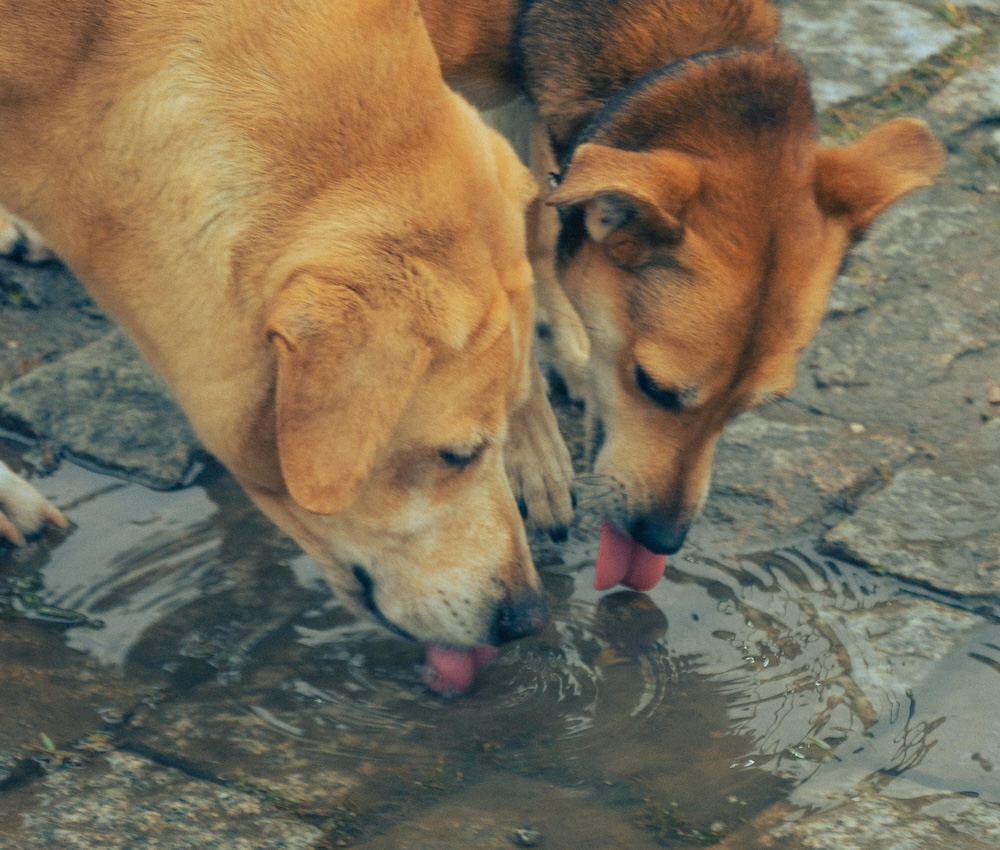
Giardia cysts are tough—they can survive in damp environments for weeks to months, which is why reinfection is so common.
What are the signs of Giardia?
Some pets carry Giardia without looking sick at all. Others may show:
- Soft stool or watery diarrhea
- Greasy, shiny, or mucus-covered poop
- Strong-smelling stool
- Gas or tummy discomfort
- Weight loss or poor growth
- Diarrhea that comes and goes
Puppies and kittens often have more noticeable symptoms because their immune systems are still developing.
Is Giardia contagious?
Yes—between pets, especially in households with more than one animal or in places where pets gather (parks, daycare, kennels).
Giardia may also spread to humans, so good hygiene matters. Always wash your hands after picking up feces or cleaning litter boxes.
How is Giardia diagnosed?
Giardia is diagnosed using a fecal test. Because the parasite isn’t shed consistently, testing may sometimes need to be repeated to catch it.
If your pet has persistent or recurring diarrhea, testing for Giardia is often an important step.
How is Giardia treated?
Treatment usually includes:
- A prescription medication given for several days
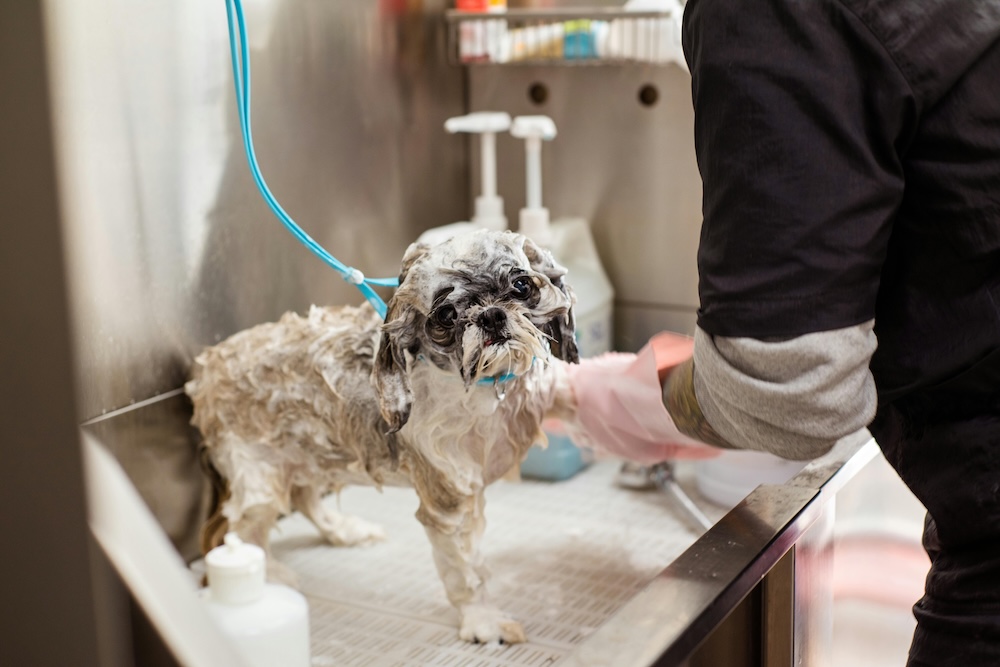
- Bathing your pet to remove cysts from the fur
- Environmental cleaning to prevent reinfection
Medication alone isn’t always enough—cleaning and hygiene play a huge role in success.
Why does Giardia keep coming back?
Reinfection is the biggest challenge with Giardia. Pets can feel better, then pick it right back up from:
- Their own fur or paws
- Bedding or toys
- The yard or litter area
- Shared bowls or spaces
That’s why environmental control is just as important as medication.
What can pet parents do at home?
During and after treatment:
- Pick up poop immediately
- Wash food and water bowls daily
- Bathe your pet at the start and end of treatment
- Wash bedding in hot water
- Avoid dog parks, shared water bowls, and puddles
Your veterinary team can recommend safe and effective disinfectants if needed.
Can Giardia be prevented?
While no prevention is perfect, you can reduce risk by:
- Avoiding stagnant or shared water sources
- Practicing prompt fecal cleanup
- Keeping up with routine parasite screening
- Using year-round parasite prevention, when recommended
When should you call your vet?
Reach out if:
- Diarrhea worsens or becomes bloody
- Your pet is lethargic, vomiting, or not eating
- Symptoms continue after treatment is finished
Early intervention helps prevent dehydration, weight loss, and spread to other pets.
The takeaway
Giardia is common, treatable, and not a reflection of poor care. It’s simply a parasite that loves social pets and damp environments. With the right treatment and good home hygiene, most pets recover very well.
If you’re ever unsure whether your pet’s diarrhea is “just an upset tummy” or something more, you can always call your local vet.