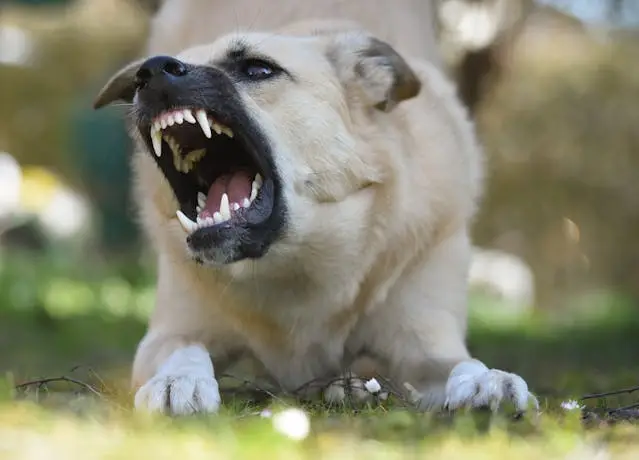
Does your dog bark for hours while you’re out (according to your frustrated neighbours)? Do they try to escape from the yard? When left alone, does your dog chew up your furniture or your shoes, or go to the bathroom on the rug? When you’re getting ready to leave for the day, does your dog get anxious and whiny? If any of these situations are common in your home, you may have a dog with separation anxiety.
Separation anxiety can be a real problem for dog parents. We can’t be home all of the time, and most of us can’t take our dogs along whenever we go out. If your dog can’t stand to be alone, it can be traumatic for everyone involved.
Why dogs get separation anxiety
The causes of separation anxiety are not always clear. It appears to be more common in dogs that have been moved from one home to another, been in a shelter, or been abandoned. Some of these dogs have good reason to feel nervous about getting left behind. It has happened to them before!
But for other dogs, there may be no obvious trigger at all. Over many generations, we have selectively bred dogs who love to be around people, so it should not surprise us that these same dogs hate to be left alone.
There are several approaches to dealing with separation anxiety, and not all dogs will respond to all of them. You might have to try a few different things to find out what works for your dog. If you are worried about your dog’s safety or if they’re being very destructive, you may want to seek professional help from a dog behaviour specialist.
What not to do for dogs with separation anxiety
Before we look at ways to help your dog become more comfortable alone, let’s look at some common mistakes. Many well-meaning dog parents try these things, but they can make a bad situation worse.
Sneaking out
If your dog gets anxious watching you get ready to leave, it can be tempting to sneak out of the house to avoid the drama. This leaves your dog thinking that you have simply disappeared, without a trace and without warning. If your dog is anxious about watching you leave, they will be even more worried if you vanish suddenly.
Making a scene

On the other hand, making a big show out of saying goodbye to your dog can also make them anxious. If you’re making a big fuss, your dog is likely to think something important is happening. You don’t want your exit to be that important.
The same goes for coming home: don’t encourage your dog’s overexcitement to see you when you arrive. Coming and going should not be a big event.
Simple solutions to try for dogs with separation anxiety
Here are some “quick fixes” that can help you avoid situations that trigger your dog’s separation anxiety. Unfortunately, these solutions are not free, but if you can afford to give your dog daily activities like these, they will likely be much happier and less stressed.
Doggie daycare
If your dog is friendly with other dogs, consider letting them spend the day at a doggie daycare where they will be busy and surrounded by other dogs and people all day.
Dog walker

If daycare is not a good option for your dog, consider hiring a dog walker to give your dog some company and exercise during the day.
For dogs who don’t do well on group walks, some walkers offer “let-outs,” where they drop by your house and spend a bit of time with your dog in the yard instead of taking them for a walk. Let-outs are usually more affordable than walks.
Solving your dog’s separation anxiety
Let’s delve deeper into some solutions recommended by dog trainers for dogs with separation anxiety.
Whatever approach you use, it’s important to treat your comings and goings like they’re not a big deal. Your dog takes emotional cues from you. If you act like it’s a big event when you go out or come home, your dog will attach too much importance to it.
Crate training
Some dogs feel more secure if they have a “safe place” to stay during your absence. Crate training allows your dog to feel at home in a confined area, and also prevents them from destroying things around the house while you’re gone. You need to keep crate time short to begin with and gradually increase it as your dog gets used to being crated. Not all dogs do well in a crate. If your dog isn’t adjusting to it and may get hurt trying to escape from the crate, another strategy might be necessary.
Short absences that gradually get longer
If your dog panics the moment they can’t see you, try getting them used to your absence gradually. Start by just leaving the room for a few seconds and staying behind a closed door. Slowly increase the time to a few minutes. Your dog needs to know that it’s OK not to have eyes on you at all times.
Once your dog is comfortable with this, try going out the front door for a few seconds, then coming back in. This shows your dog that even though you leave, you always come back. Gradually increase the time you are gone until your dog gets used to the idea that you will always come home.
This approach works best if the dog is never left alone until they’re used to short absences. For a lot of dog parents, this just isn’t feasible because of work and other commitments. But if you can get started during a week off and really work on this, your dog may adjust faster than you think.
Distracting treats

Boredom can definitely contribute to separation anxiety. Once there’s nobody home, your dog simply doesn’t know what to do. This can lead to destructive behaviour. Giving your dog something to occupy them for a while can provide a useful distraction. Kong toys or other treat-dispensing toys are good for this purpose. Filling a Kong with unsweetened peanut butter, cream cheese, or other goodies can keep your dog busy for a while after you leave. You can also use other high-value treats like a pigskin roll. Whatever you decide to use, give it to your dog only when you are leaving the house. Your dog will start to associate something positive (a special treat) with your absence instead of focusing on their negative feelings.
Exercise
The groundwork for a physically and mentally healthy dog has to happen while you’re home. This includes giving them plenty of exercise. A good walk in the morning, or even a run, will use up a lot of energy that might otherwise be spent destroying the house or trying to escape from the yard.
Playing interactive games with your dog while you’re at home will also help their mental state. Try playing hide and seek, fetch, or tug, or using dog puzzles or snuffle mats. Lying on the couch with you might appear to keep them happy, but dogs need stimulation.
What to do if nothing helps your dog’s separation anxiety
If your dog is suffering from severe separation anxiety symptoms and you’re not sure what to try next, contact a local trainer or behaviour specialist.
Additional resources:
http://pets.webmd.com/dogs/separation-anxiety-dogs#1
https://www.whole-dog-journal.com/issues/11_7/features/Canine-Separation-Anxiety_16044-1.html http://yourdogsfriend.org/help/separation-anxiety/
Related posts:
What Pet to Get: How to Decide if a Pet Is Right for You https://pawscanada.ca/choosing-the-right-pet/what-pet-to-get-how-to-decide-if-a-pet-is-right-for-you/
Indoor Activities for Your Dog When It’s Cold Outside