What is leptospirosis?
Leptospirosis is the most widespread disease in the world that can spread from animals to humans. Often called “lepto,” it is a bacterial infection that spreads through the urine of infected wildlife such as raccoons, skunks, rats, and squirrels. Because the bacteria that cause lepto thrive in wet environments, cases increase during rainy seasons, in areas with standing water, and in tropical climates. Recently, there have been more and more dogs in Canada and the United States impacted by lepto, making awareness of this disease more important than ever.
Lepto can be dangerous, even deadly, but don’t worry! Learning the signs and symptoms of leptospirosis can help you step in early and guide your pup to a full recovery.
How dogs become infected
Dogs can contract leptospirosis through:
- Drinking from puddles, ponds, or standing water
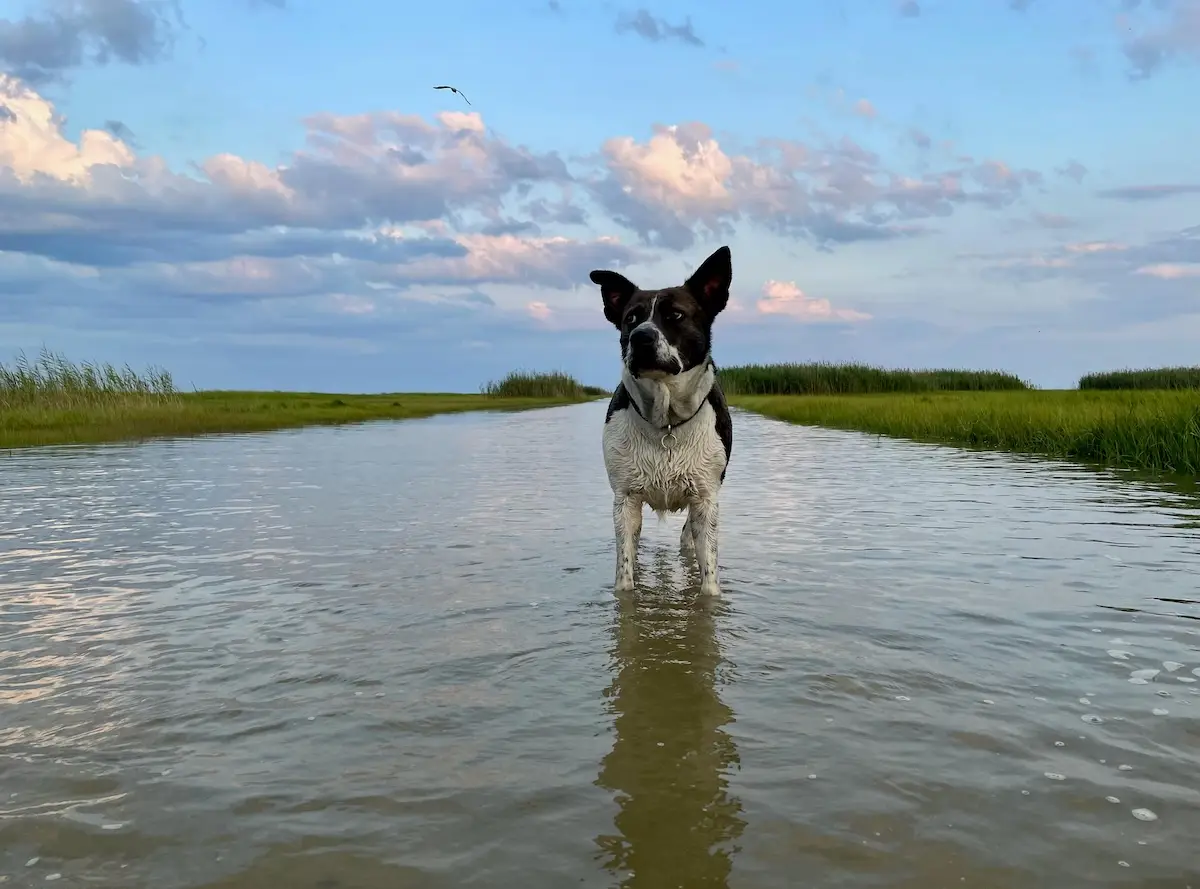
- Walking through or swimming in contaminated water
- Contact with infected urine or contaminated soil.
- Exposure to wildlife or farm environments
- Rodent infestations around the home or yard
- Even city dogs are at risk, due to the influx of wildlife species living in urban areas, especially in areas of new development.

Signs and symptoms
Leptospirosis can range from mild illness to life-threatening disease. Watch for:
- Lethargy, fever, or decreased appetite.
- Vomiting or diarrhea
- Increased thirst or urination
- Yellowing of the gums or eyes (jaundice)
- Muscle stiffness or pain
- Difficulty breathing
If your dog shows any of these signs, contact your veterinary team immediately. Prompt treatment saves lives.
Why leptospirosis is serious
- Can lead to kidney and liver failure.
- May require hospitalization or intensive care.
- Dogs can shed the bacteria, posing a risk to people.
- Without treatment, leptospirosis can be fatal.
This disease affects both pets and people, making prevention extremely important.
Diagnosis and treatment
Your veterinarian may recommend:
- Bloodwork
- Urinalysis
- Specific leptospirosis testing
- Radiographs or ultrasound if organ involvement is suspected.
Treatment typically includes antibiotics, IV fluids, hospitalization, and supportive care for extended periods of time. Most dogs recover well when treated early.
The leptospirosis vaccine
Like parvovirus, rabies, and many other infections that impact dogs, we are lucky to have a vaccine for leptospirosis. The leptospirosis vaccine is the best and most effective protection against the disease.
- Protects against multiple common strains.
- Is safe and recommended for all dogs
- It is especially important for dogs who spend time outdoors, near water, on trails, or in areas with wildlife.
- The first vaccine will require a 4-week booster, then needs to be repeated annually.
Leptospirosis is present in our region; we strongly encourage yearly vaccination. It has recently been added to American Animal Hospital Association’s recommendation as a core vaccine, meaning it is recommended for all dogs.
Reducing your dog’s risk
Along with vaccination, you can help lower your dog’s exposure by:
- Preventing access to puddles, ditches, and standing water
- Supervising outdoor activities
- Securing garbage and removing items that attract wildlife
- Managing rodent activity around your home to discourage wildlife from approaching
These steps help reduce risk but do not replace the protection of vaccination.
Protecting your family
Since leptospirosis can spread to humans:
- Wash hands after handling your dog or cleaning urine.
- Wear gloves when cleaning accidents.
- Keep sick pets away from small children or immunocompromised individuals.
- Contact public health if your pet is diagnosed and you have concerns about human exposure.